Red State, Green Power: Conservatives Embrace Solar
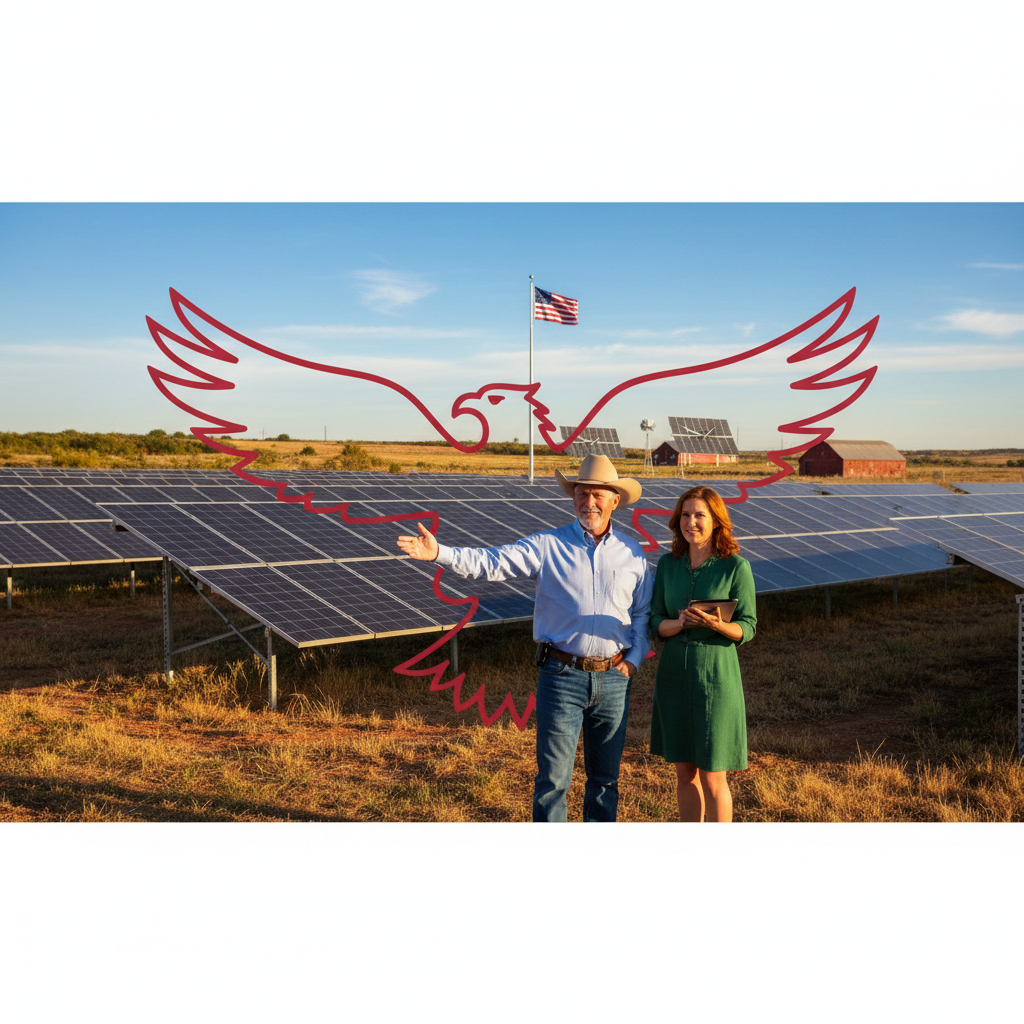
Key Takeaways
- Conservative voters are increasingly backing solar power for practical reasons.
- Key drivers include lower energy costs, strengthened American manufacturing, and enhanced energy security.
- This support solidifies despite existing anti-clean energy political rhetoric.
- The trend indicates solar energy is transcending partisan divides to become a mainstream economic and strategic asset.
OPENING PARAGRAPH
In an era often defined by political polarization, a significant shift is quietly underway that promises to redefine the landscape of clean energy. Recent findings reveal a strong and growing conservative endorsement of solar power, driven not by ideology, but by pragmatic concerns like cost savings, national security, and bolstering American industry. This movement isn’t just about generating electricity; it’s about building a more resilient, economically sound, and self-sufficient future for communities nationwide, transcending traditional political divides at a pivotal moment for our energy transition.
TL;DR: Key Facts
- Conservative voters show solid and increasing support for expanding solar energy.
- This support is primarily motivated by practical benefits: lower costs, enhanced energy security, and strengthened American manufacturing.
- The positive voter sentiment exists despite anti-clean energy rhetoric from some political figures.
- Solar energy is becoming less of a partisan issue and more of a practical economic and strategic asset.
What Happened
The national discourse around energy often paints a picture of stark political division, with clean energy initiatives frequently caught in partisan debates. However, a closer look at voter sentiment, particularly among conservatives, tells a remarkably different story. While some political rhetoric continues to push an anti-clean energy agenda, a substantial and growing segment of conservative voters is actively embracing solar power.
This groundswell of support isn’t based on abstract environmental principles, but on tangible, bottom-line benefits that resonate deeply with conservative values. Voters are increasingly recognizing that solar energy lowers household and business electricity costs over the long term, offering a dependable economic advantage. Furthermore, the expansion of solar power directly contributes to strengthening American manufacturing capabilities, creating jobs and fostering domestic economic growth. Perhaps most critically, solar energy enhances national energy security by reducing reliance on volatile international markets and diversifying our energy portfolio, a key strategic consideration for many conservatives.
Why It Matters
This evolving conservative embrace of solar energy is a monumental development for the broader “Green Tech” movement. For too long, renewable energy has been unfairly pigeonholed as an exclusively progressive agenda, hindering its widespread adoption and often politicizing crucial infrastructure decisions. The solidification of conservative support fundamentally shifts this narrative, demonstrating that green technologies like solar are not partisan issues but rather pragmatic solutions with universal appeal based on economic and security advantages.
From a Green Tech perspective, this broadens the market and political runway for innovation and deployment. Bipartisan consensus on solar means more stable policy environments, encouraging greater investment in research, development, and manufacturing of advanced solar technologies, including sophisticated energy storage solutions and smarter grid integration. It signifies a maturation of green tech from an ideological stance to a fundamental component of national economic and strategic policy, ensuring that the transition to clean energy can proceed with greater momentum and less political friction. This is not just about installing more panels; it’s about building a sustainable, resilient, and economically vibrant future that appeals to all Americans, regardless of political affiliation.
What You Can Do
- Research Local Incentives: Explore federal, state, and local tax credits, rebates, and grants available for installing solar panels on your home or business. Programs like the federal Investment Tax Credit (ITC) can significantly reduce upfront costs.
- Engage with Local Officials: Contact your city council members, county commissioners, or state representatives to express your support for solar energy initiatives, particularly those focused on economic benefits and energy independence.
- Educate Your Network: Share factual information about the economic benefits, energy security advantages, and job creation potential of solar power with friends, family, and community groups, dispelling common myths.
- Consider Community Solar: If rooftop solar isn't an option, look into community solar programs in your area. These allow you to subscribe to a share of a local solar farm and receive credits on your electricity bill.
- Support American Manufacturing: When considering solar products, inquire about their origin and prioritize those manufactured in the United States to further bolster domestic jobs and industry.
- Advocate for Grid Modernization: Support policies that encourage the modernization of our electricity grid to better integrate renewable energy sources, ensuring reliability and efficiency.
FAQs
Q: Is conservative support for solar a new phenomenon?
A: While public discussion has often highlighted partisan divides, pragmatic conservative support for solar has been growing steadily, driven by economic and security benefits, now becoming more solidified and visible.
Q: How does solar energy improve national energy security?
A: By generating electricity domestically from an inexhaustible resource, solar power reduces reliance on foreign energy sources and stabilizes energy prices, making the nation less vulnerable to geopolitical conflicts or supply chain disruptions.
Q: What are the primary economic benefits that appeal to conservatives?
A: Key economic benefits include lower and more predictable electricity costs for consumers and businesses, the creation of American manufacturing jobs, and the stimulation of local economies through solar installations and maintenance.
Sources
This article is based on reporting by CleanTechnica.
Original source
CleanTechnica
Author, Digital Entrepreneur & AI Creator
More from Green Tech
- UK Electric Buses Transform into Grid Powerhouses with V2G — May 13, 2026
- Ocean-Powered AI: Panthalassa's Bold Vision for Sustainable Compute — May 12, 2026
- Winnipeg Powers Up: 250 EV Chargers Accelerate Sustainable Living — May 11, 2026
- Philippines' Wind Power Dream Hinges on Port Infrastructure — May 10, 2026
- Aviation's Carbon Blind Spot: Ryanair's Soaring Emissions Exposed — May 9, 2026