Rio Tinto's Kennecott Mine: Powering Progress with Solar
Key Takeaways
- Rio Tinto's Kennecott mine has significantly expanded its on-site solar power, reaching 30MW, showcasing a major industrial commitment to renewable energy.
- The project pioneers a unique circular economy model: tellurium produced at the mine is used to manufacture the very solar panels that power its operations.
- This initiative reduces carbon emissions, enhances the security of critical mineral supply chains (like copper and tellurium for solar and EVs), and sets a new standard for sustainable mining.
- The development provides a blueprint for other heavy industries to decarbonize and integrate circularity, proving that large-scale environmental responsibility is achievable and strategic.
- Readers can support this shift by educating themselves on product supply chains, demanding transparency from brands, advocating for green policies, and making conscious investment and purchasing choices.
A Beacon of Green Innovation: Rio Tinto Powers Up with Solar at Kennecott
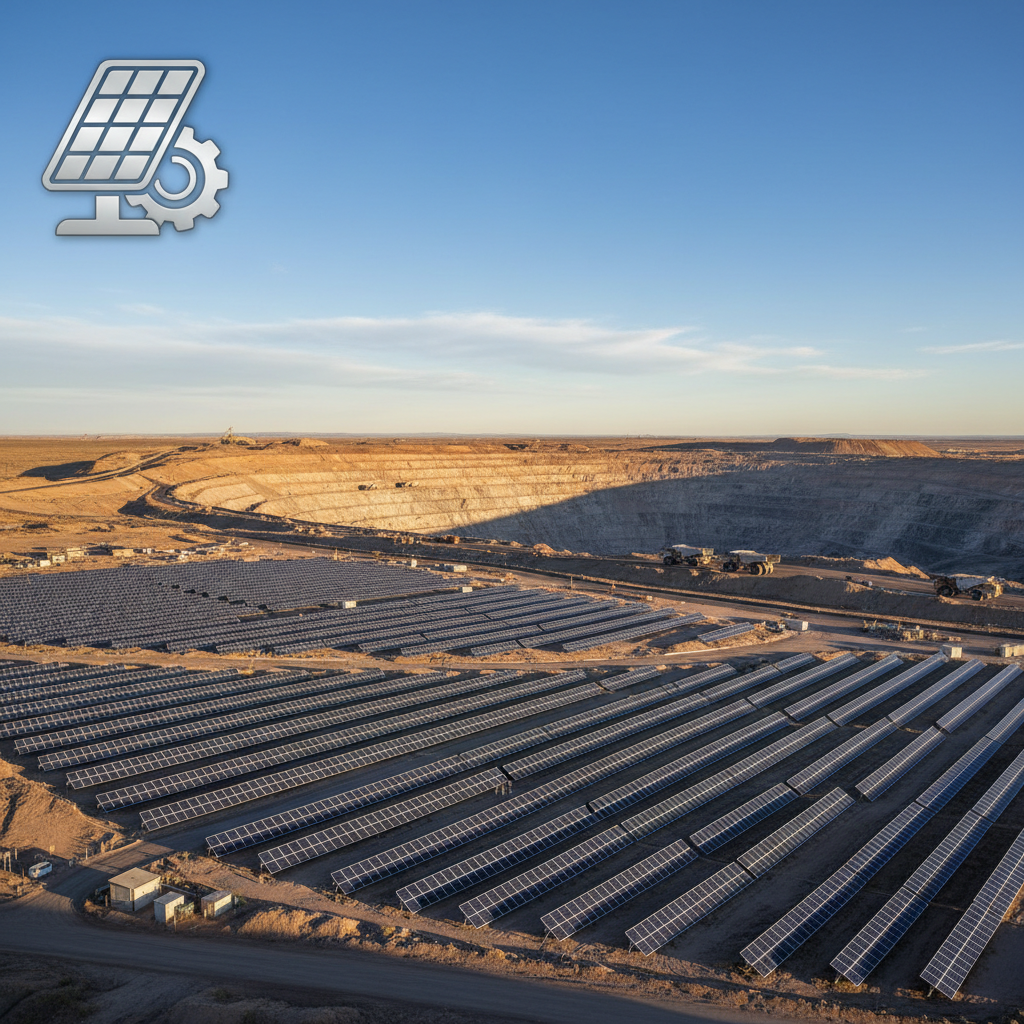
At GreenNest Living, we’re always on the lookout for truly transformative developments in sustainable living and green technology. While many headlines focus on individual consumer choices or groundbreaking startups, sometimes the most profound shifts come from unexpected corners – or, in this case, from the heart of heavy industry. Today, we’re shining a spotlight on a remarkable achievement from Rio Tinto, a global mining giant, that recently energized a new 25-megawatt (MW) solar plant at its Kennecott copper operations in Utah. This isn't just about adding solar panels; it’s a powerful testament to the evolving landscape of industrial sustainability and a fascinating example of a circular economy in action.
This significant expansion, following a 5MW solar plant completed just last year, brings Kennecott’s total on-site solar capacity to 30MW. But what truly elevates this news beyond a standard renewable energy adoption story is the ingenious integration of critical mineral supply chains: the tellurium produced at the Kennecott site is being used to manufacture the very solar panels now powering its operations. This is real news from CleanTechnica, highlighting a pivotal step forward for sustainable mining practices.
The Heart of the Matter: A Circular Shift in Critical Minerals
For decades, mining has been rightly scrutinized for its environmental footprint. Extracting raw materials, while essential for modern life and increasingly for the green transition, traditionally involves significant energy consumption and environmental disruption. That’s why Rio Tinto’s move at Kennecott is so compelling. By investing in substantial on-site solar power, they are directly addressing their operational emissions and reducing reliance on fossil fuels. This commitment to renewable energy integration at an industrial scale is a blueprint for others.
But let’s talk about that tellurium. It’s a lesser-known but vital critical mineral, often a byproduct of copper refining. Tellurium is a key component in cadmium telluride (CdTe) thin-film solar panels, renowned for their efficiency and performance, especially in certain climates. The fact that Kennecott is not only mining the copper we need for EVs and renewable infrastructure but also producing the tellurium that goes into the solar panels powering the mine itself, truly closes the loop. This isn't just sustainable mining; it’s a live demonstration of a circular economy within a critical mineral supply chain.
This initiative doesn't just reduce carbon emissions; it enhances the security and sustainability of the solar panel supply chain. By sourcing a key material domestically and utilizing it on-site, Rio Tinto minimizes transportation emissions, supports local economies, and diversifies the global supply of critical components for renewable energy. It’s a win-win-win for environmental stewardship, economic resilience, and energy independence.
Beyond the Mine: Why This Matters for All of Us
The implications of this development stretch far beyond the copper pits of Utah. As we push towards a net-zero future, the demand for critical minerals like copper, lithium, cobalt, and yes, tellurium, is skyrocketing. These materials are the backbone of electric vehicles, wind turbines, solar panels, and battery storage solutions. Ensuring their extraction is done responsibly and sustainably is paramount.
This project by Rio Tinto showcases that even industries with a challenging environmental legacy can innovate and contribute positively to the green transition. It sends a strong signal to other mining operations and heavy industries worldwide: integrating large-scale renewable energy is not just a 'nice-to-have' but a strategic imperative. Furthermore, exploring opportunities for circularity – like using byproducts or waste streams to fuel new green technologies – can unlock immense value and reduce environmental impact.
For consumers, this development shines a light on the intricate journey of the materials that power our sustainable choices. When you drive an EV or install solar panels on your home, the copper wiring and tellurium in those components have a story. Supporting companies that invest in greener extraction and processing methods contributes to a truly sustainable product lifecycle.
Greening Heavy Industry: A Blueprint for the Future
The Kennecott solar expansion is more than a single project; it’s a potent symbol of what’s possible when innovation meets industrial scale. It demonstrates:
- Commitment to Decarbonization: Major players in carbon-intensive sectors are finding viable pathways to significantly reduce their emissions through renewable energy integration.
- The Power of Circularity: Identifying and leveraging internal resource loops can create efficiencies, reduce waste, and build more resilient supply chains.
- Local Economic & Environmental Benefits: On-site renewable generation creates jobs, reduces grid strain, and decreases local air pollution.
- Setting New Industry Standards: Such initiatives raise the bar for corporate responsibility and encourage competitors to follow suit.
This is precisely the kind of leadership we need to see from corporations. It's not enough to simply offset emissions; companies must fundamentally transform their operations. The Kennecott project serves as a compelling case study for how heavy industry can become a part of the solution, not just a source of the problem, in the fight against climate change.
What You Can Do: Actionable Insights for a Sustainable World
As GreenNest Living readers, you are always looking for ways to make a difference. While you might not be running a copper mine, you can still support this vital shift towards sustainable industrial practices:
- Educate Yourself: Learn about the supply chains of products you use. Understanding where materials come from helps you make more informed choices.
- Demand Transparency: Support brands and companies that are transparent about their sourcing, environmental practices, and commitments to decarbonization. Look for certifications and sustainability reports.
- Advocate for Green Policies: Support policies that incentivize industrial decarbonization, renewable energy deployment, and circular economy principles. Your voice matters in shaping regulations that encourage more companies to follow Rio Tinto’s lead.
- Invest Consciously: If you're an investor, consider funds or companies that demonstrate strong Environmental, Social, and Governance (ESG) performance, particularly those investing in green industrial innovation and critical mineral sustainability.
- Choose Products Wisely: When purchasing electronics, vehicles, or home goods, consider brands known for their efforts in sustainable material sourcing and manufacturing.
The move by Rio Tinto at Kennecott is more than just a news item; it’s a vivid illustration of how dedication to innovation and sustainability can transform even the most resource-intensive operations. It offers hope and a tangible pathway for a greener future, proving that industry, when aligned with environmental stewardship, can be a powerful engine for positive change. Let’s celebrate these advancements and continue to push for a world where sustainability is not just an aspiration, but the foundation of all enterprise.
Original source
GreenNest Living Editorial
Author, Digital Entrepreneur & AI Creator
More from Green Tech
- UK Electric Buses Transform into Grid Powerhouses with V2G — May 13, 2026
- Ocean-Powered AI: Panthalassa's Bold Vision for Sustainable Compute — May 12, 2026
- Winnipeg Powers Up: 250 EV Chargers Accelerate Sustainable Living — May 11, 2026
- Philippines' Wind Power Dream Hinges on Port Infrastructure — May 10, 2026
- Aviation's Carbon Blind Spot: Ryanair's Soaring Emissions Exposed — May 9, 2026