Securing the North Sea's Green Energy Revolution
Key Takeaways
- Europe plans a vast green energy hub in the North Sea.
- Security experts warn of sabotage risks to its underwater infrastructure.
- Bolstering underwater security is crucial for Europe.
- Infrastructure includes wind farms, interconnectors, and hydrogen pipelines.
- This is Europe's most ambitious offshore wind project.
The ambitious vision of transforming the North Sea into Europe's green energy powerhouse is inspiring, but a critical, often overlooked, threat looms. As plans for vast offshore wind farms and intricate underwater grids solidify, security experts are sounding alarms: the very infrastructure meant to power our sustainable future could be dangerously vulnerable to sabotage. This isn't just about building green tech; it's about protecting it from those who might seek to undermine our collective climate progress.
TL;DR: Key Facts
- The North Sea is slated to become a major green energy hub for Europe.
- Security experts warn that its extensive underwater infrastructure is highly attractive for potential sabotage.
- Europe is urged to significantly bolster its underwater security capabilities to protect these assets.
- The vulnerable infrastructure includes offshore wind farms, power interconnectors, and future hydrogen pipelines.
- This represents Europe's most ambitious offshore wind project to date, vital for meeting climate targets.
What Happened
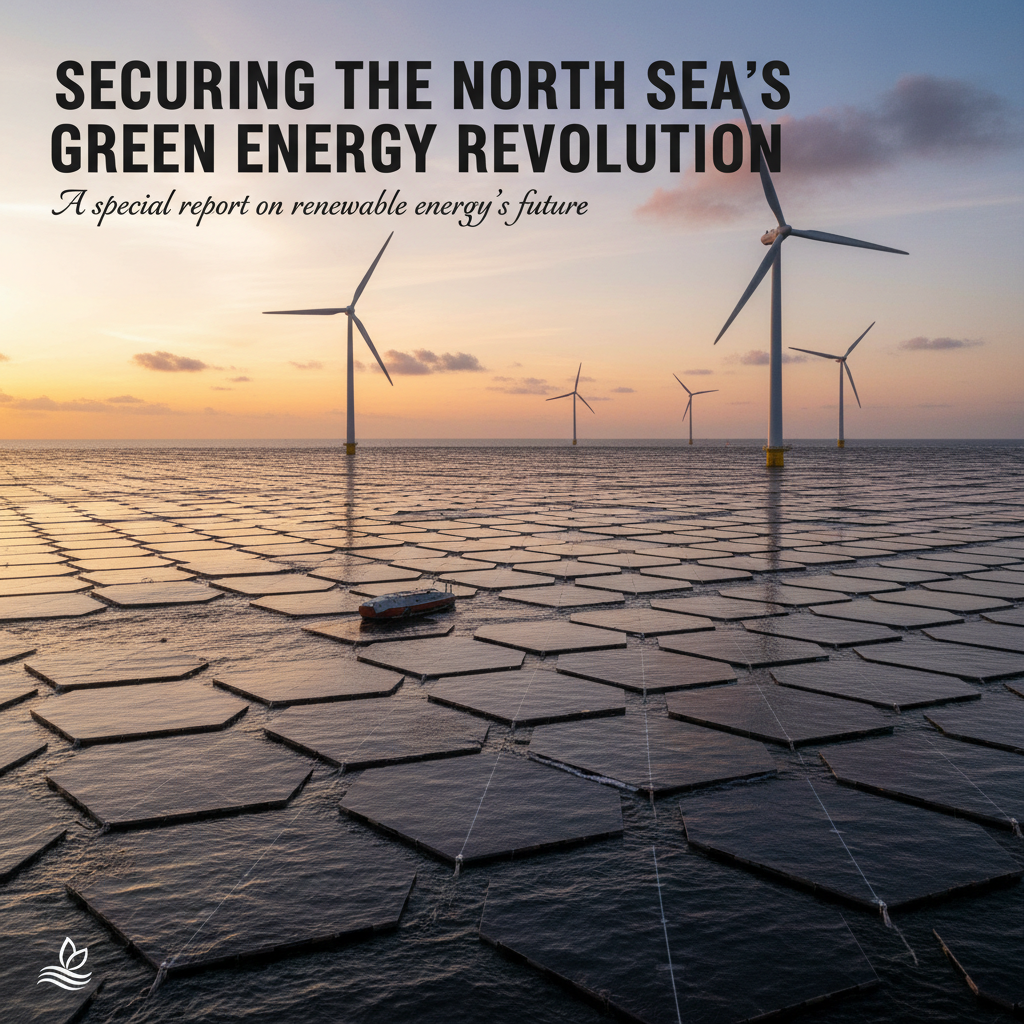
Europe is embarking on an unprecedented project to develop the North Sea into a vast green energy network, positioning it as a cornerstone of the continent's renewable energy strategy. This ambitious undertaking involves constructing numerous offshore wind farms, laying thousands of kilometers of subsea power cables (interconnectors), and planning for future hydrogen pipelines designed to transport green hydrogen from production sites to consumption centers. This massive infrastructure is central to Europe's efforts to decarbonize its energy supply and achieve net-zero emissions targets.
However, security experts have recently voiced significant concerns regarding the vulnerability of this burgeoning green energy hub. They highlight that the extensive network of underwater cables, pipelines, and wind farm foundations could become an attractive target for malicious actors seeking to disrupt energy supplies, cripple economic activity, or undermine political stability. Such an attack could have far-reaching consequences, extending beyond immediate energy supply issues to impact national security and public trust in the energy transition.
The warnings emphasize that while the focus has largely been on the technological and environmental aspects of this green transition, the physical security of these vital assets has not received adequate attention. Experts are now urging European nations to rapidly enhance their underwater surveillance, protection, and response capabilities. This includes investing in advanced monitoring technologies, increasing naval presence, and fostering greater international cooperation to safeguard what will be a critical piece of global green infrastructure. The sheer scale and distributed nature of the North Sea energy assets present a unique security challenge that demands proactive and comprehensive strategies.
Why It Matters
For GreenNest Living readers, understanding the security implications of large-scale green energy projects like the North Sea hub is paramount. This isn't just about the exciting prospect of clean power; it's about the resilience and reliability of our future energy systems. The vulnerability of such vital green tech infrastructure underscores a critical truth: the transition to a sustainable future isn't solely a technological or environmental challenge, but also a geopolitical and security one. Any disruption to these systems could not only set back climate goals but also trigger significant economic instability and threaten national security, making reliable green energy a fragile commodity without robust protection.
The potential for sabotage highlights that "Green Tech" goes beyond innovation and deployment; it encompasses the full lifecycle of energy infrastructure, including its defense. If these massive investments in offshore wind farms, interconnectors, and hydrogen pipelines are not adequately protected, their intended benefits — energy independence, reduced emissions, and economic growth — could be severely undermined. This situation forces us to consider the hidden costs and necessary investments in security that accompany large-scale infrastructure projects, especially those deemed critical to national and regional well-being. Ensuring the physical security of our green energy assets is as crucial as developing the technology itself; without it, the promise of a sustainable future remains perilously exposed.
Moreover, this concern directly impacts public perception and political will for the green transition. Incidents of sabotage, even small ones, could erode public confidence in the viability and safety of renewable energy sources, potentially slowing down vital climate action. Green technology must not only be efficient and clean but also robust and secure against external threats. This calls for an integrated approach where security considerations are embedded from the initial planning stages of green tech projects, ensuring that Europe's ambition to be a green energy leader is matched by its capacity to protect its strategic assets.
What You Can Do
- Stay Informed & Advocate: Keep abreast of developments in energy security and advocate for robust protection measures for critical green infrastructure. Write to your representatives.
- Support Policy for Resilience: Encourage policies that prioritize the security and resilience of renewable energy grids, including funding for advanced surveillance and naval capabilities.
- Promote International Cooperation: Support initiatives that foster international collaboration on protecting shared marine and energy infrastructure from potential threats.
- Invest Responsibly: If you invest in green energy, consider companies and projects that openly address and integrate comprehensive security strategies into their operations.
- Educate Others: Share information about the multifaceted challenges of the energy transition, helping others understand that green energy requires more than just technological development.
- Reduce Overall Energy Consumption: While a large-scale solution, reducing your personal energy footprint lessens the overall pressure on the grid, indirectly contributing to greater stability.
FAQs
Q: What specific types of infrastructure in the North Sea are considered at risk?
A: The primary assets at risk include vast offshore wind farms, the intricate network of subsea power cables (interconnectors) linking these farms to shore and to other countries, and future pipelines planned for transporting green hydrogen.
Q: Why is the North Sea so strategically important for Europe's green energy goals?
A: The North Sea offers optimal conditions for offshore wind generation due to strong, consistent winds and relatively shallow waters in certain areas. Its central location also makes it ideal for interconnecting various European nations, facilitating a shared, decarbonized energy grid.
Q: What kind of sabotage are security experts concerned about?
A: Concerns range from physical damage to underwater cables and pipelines, potentially causing widespread power outages or environmental incidents, to cyberattacks on control systems of wind farms or grid infrastructure, which could disrupt energy flow or compromise operational integrity.
Sources
This article is based on reporting by Euronews Green.
Original source
Euronews Green
Author, Digital Entrepreneur & AI Creator
More from Green Tech
- UK Electric Buses Transform into Grid Powerhouses with V2G — May 13, 2026
- Ocean-Powered AI: Panthalassa's Bold Vision for Sustainable Compute — May 12, 2026
- Winnipeg Powers Up: 250 EV Chargers Accelerate Sustainable Living — May 11, 2026
- Philippines' Wind Power Dream Hinges on Port Infrastructure — May 10, 2026
- Aviation's Carbon Blind Spot: Ryanair's Soaring Emissions Exposed — May 9, 2026