Shell's Covert Spills: Nigeria's Mangroves Pay the Price
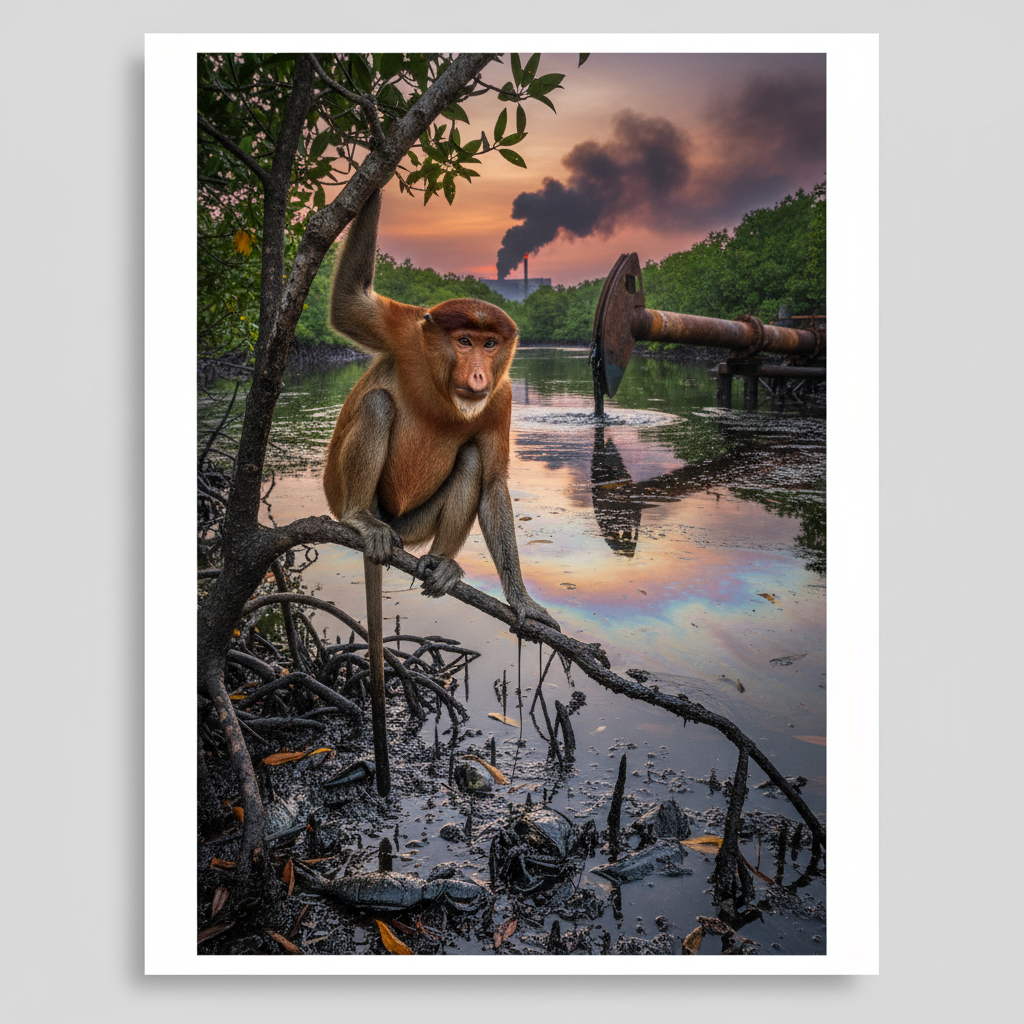
Key Takeaways
- Shell knowingly operated a compromised pipeline in Nigeria despite pollution risks.
- Internal documents expose senior leaders' awareness of the pipeline's faulty state.
- The operations led to devastating oil spills in Nigeria's critical mangrove forests.
- This highlights a severe case of corporate negligence impacting the environment and local communities.
- The incident underscores the urgent need for greater corporate transparency and accountability in extractive industries.
The fragile ecosystems of Nigeria's Niger Delta are once again under siege, not just from the relentless tides, but from a calculated disregard for environmental safety. New revelations expose how global oil giant Shell knowingly continued operations with a compromised pipeline, unleashing a torrent of pollution into precious mangrove forests, impacting both nature and the communities that depend on it.
TL;DR: Key Facts
- Internal documents show Shell knew its Nigerian pipeline was compromised.
- Despite the risk, Shell continued operations, leading to oil spills.
- Spills occurred in Nigeria’s vital coastal wetland environment, specifically mangrove forests.
- The company's internal communications reveal senior leaders were aware of the pollution risk.
- Local communities and the environment suffered consequences from this corporate negligence.
What Happened
Newly disclosed internal company communications, reviewed by Mongabay, paint a disturbing picture of deliberate corporate negligence. These emails and memos reveal that senior leaders at Shell were fully aware of a compromised pipeline operating within Nigeria’s Niger Delta. Despite this critical knowledge—and the clear understanding that the faulty infrastructure posed a significant pollution risk—the global oil giant chose to continue its operations.
The consequence of this decision was the ongoing release of oil into the surrounding coastal wetland environment. These spills have severely impacted the region's crucial mangrove forests, which are vital for biodiversity, coastal protection, and the livelihoods of local communities. The documents underscore a troubling pattern where economic interests seemingly superseded environmental responsibility and the well-being of affected populations.
Why It Matters
For our GreenNest Living readers, this isn't just another environmental disaster story; it's a stark reminder of the systemic failures in corporate environmental responsibility and the urgent need for robust oversight. Mangrove forests are not just beautiful; they are indispensable carbon sinks, nurseries for marine life, and natural barriers against storms. Their degradation through oil pollution has long-term, devastating consequences for climate resilience, biodiversity, and the economic stability of local fishing and farming communities.
This case highlights a broader issue of environmental justice, where vulnerable communities in the Global South often bear the disproportionate burden of industrial pollution, particularly from multinational corporations. When internal communications reveal a company knew about and ignored such risks, it erodes trust and demands a closer look at the mechanisms meant to protect both people and planet. It challenges us to consider our role as consumers and advocates in holding corporations accountable for their global footprint.
What You Can Do
- Support Environmental Justice Organizations: Donate to or volunteer with groups like Environmental Rights Action (ERA) in Nigeria or international organizations working to hold corporations accountable for environmental damage in vulnerable regions.
- Advocate for Stronger Regulations: Contact your elected officials to demand more stringent environmental regulations for multinational corporations operating abroad, particularly concerning extractive industries.
- Educate Yourself and Others: Share this information and discuss corporate responsibility with your networks, fostering greater awareness of the global impact of industrial practices.
- Reduce Your Fossil Fuel Dependence: Support the transition to renewable energy by reducing personal energy consumption and advocating for sustainable energy policies.
- Demand Transparency: Support initiatives and policies that require greater corporate transparency regarding environmental risks and impacts.
- Invest Responsibly: If you invest, research companies' environmental track records and consider ethical investment options that align with sustainable values.
Ciro's Take
As someone deeply invested in the health of our planet, revelations like these from Shell truly sting. It’s not just about a pipeline or an oil spill; it's about the conscious decision to prioritize profit over people and precious ecosystems. The Niger Delta's mangroves are irreplaceable, and the lives of those who call them home are invaluable. This story is a powerful, painful reminder that advocacy for wildlife and nature must extend beyond conservation to challenging corporate power and demanding genuine accountability. My hope is that these exposed truths ignite a global call for justice and inspire a renewed commitment to ethical environmental stewardship.
FAQs
Q: How does oil pollution specifically harm mangrove forests?
A: Oil smothers the roots of mangroves, preventing them from absorbing oxygen and nutrients, leading to defoliation and death. It also coats leaves, impacts photosynthesis, and degrades the vital ecosystem, affecting countless species that rely on them for habitat and food.
Q: What recourse do affected communities have in such situations?
A: Affected communities often seek legal action, advocacy from NGOs, and government intervention. However, challenging powerful multinational corporations can be a long and difficult process, often requiring international support and legal expertise to achieve justice and compensation.
Q: Why is corporate transparency so important in preventing environmental disasters?
A: Transparency allows for public and regulatory scrutiny of corporate operations and decision-making. When companies are open about risks and incidents, it enables quicker responses, better oversight, and can prevent negligence from escalating into major environmental catastrophes, fostering trust and accountability.
Sources
This article is based on reporting by Mongabay.
Original source
Mongabay
Author, Digital Entrepreneur & AI Creator
More from Wildlife & Nature News
- Jupiter's Dazzling Chaos: A Cosmic Call for Earth Stewardship — June 6, 2026
- Meat Consumption Soars: A Call for Sustainable Diets — June 5, 2026
- Urgent Climate Watch: Satellite Uncovers El Niño Precursor — June 4, 2026
- Typhoon Jangmi: Japan Braces for Deluge, Ecosystems Under Threat — June 3, 2026