Spain's Green Energy Triumph: Lower Bills Despite Gas Soar
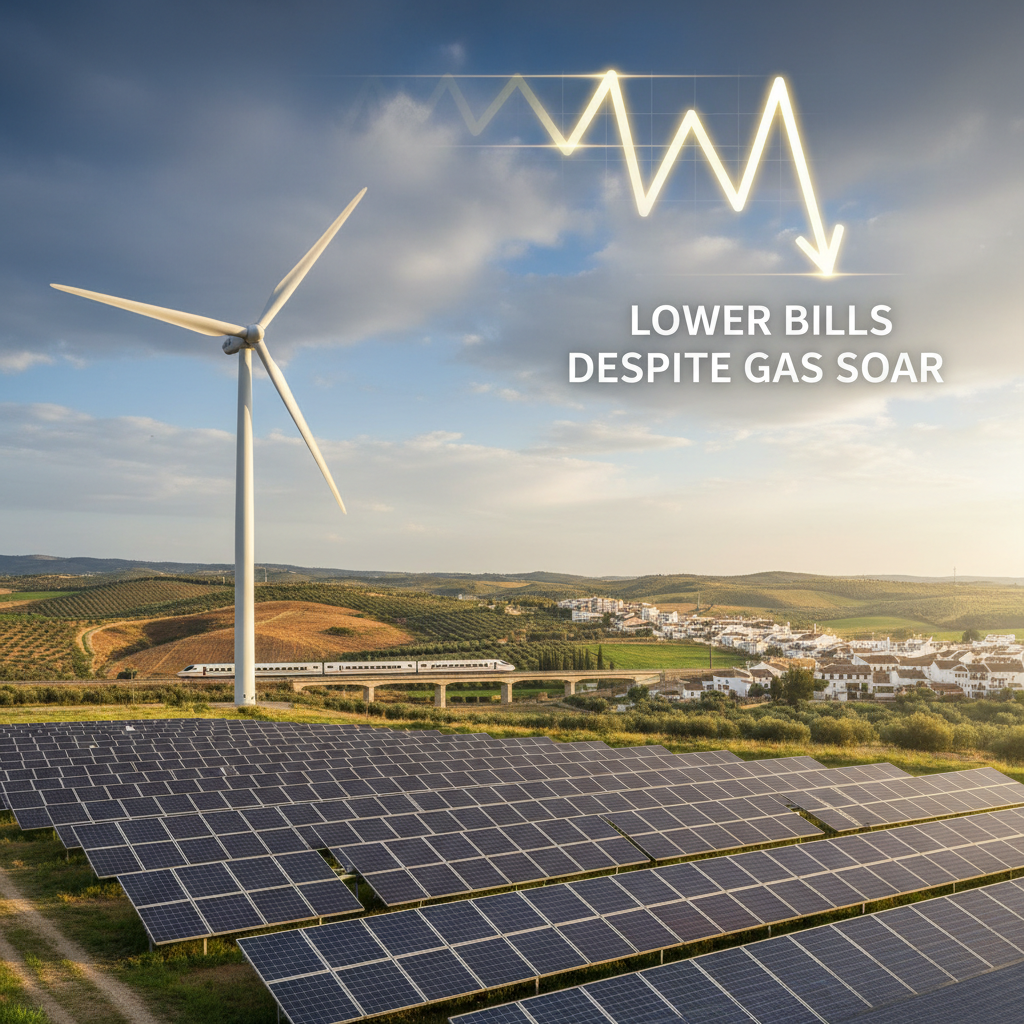
Key Takeaways
- Spain invested heavily in wind and solar over six years.
- This led to some of Europe's cheapest power prices.
- Consumers are buffered from global gas price surges.
- It demonstrates the economic benefits of green tech adoption.
As global energy markets reel from volatile fossil fuel prices, Spain stands out as a beacon of stability. Its visionary commitment to renewable energy sources has not only buffered consumers from soaring bills but also solidified its position as a leader in green innovation. This isn't just good news for Spain; it offers a compelling blueprint for other nations navigating the complex landscape of energy security and climate action.
TL;DR: Key Facts
- Spain invested heavily in wind and solar energy over the last six years.
- This long-term investment has resulted in some of the cheapest electricity prices in Europe.
- Spanish consumers are largely shielded from the global surge in gas prices due to this renewable shift.
- The strategy highlights the economic and energy security benefits of green tech adoption.
What Happened
For the past six years, Spain has been at the forefront of a profound energy transformation, channeling substantial investments into its wind and solar power infrastructure. This sustained commitment has borne significant fruit, culminating in an energy landscape where renewable sources dominate a growing share of the national grid. The strategic push wasn't just about environmental stewardship; it was a deliberate move towards energy independence and economic stability.
The impact of this green revolution has been tangible for Spanish households and industries. Even as natural gas prices have experienced unprecedented spikes across the continent, driving up energy costs for many European nations, Spain has largely managed to keep its electricity prices remarkably low. This divergence underscores the effectiveness of its renewable strategy, positioning Spain as a standout example of how strategic green tech deployment can insulate an economy from external energy shocks.
Why It Matters
Spain's experience isn't merely an isolated success story; it's a powerful real-world case study for the efficacy of Green Tech. In a world grappling with climate change and geopolitical energy instability, Spain demonstrates that robust investment in renewable technologies like wind and solar isn't just an environmental nicety—it's a critical component of national security and economic resilience. It proves that energy independence, achieved through sustainable means, can lead to tangible benefits for citizens, such as lower and more predictable utility bills.
For GreenNest Living readers, this news signifies a critical validation of the sustainable living ethos. It highlights how cutting-edge green technologies are transitioning from niche solutions to mainstream, foundational elements of national infrastructure. This shift not only decarbonizes energy grids but also creates a more stable, affordable, and locally sourced power supply, reducing reliance on volatile fossil fuel markets. Spain's journey offers invaluable lessons for policymakers, investors, and communities worldwide, illustrating the long-term payoff of an early and unwavering commitment to a green future.
Moreover, this success story can galvanize further innovation in green tech. Knowing that large-scale deployment of wind and solar can deliver such significant economic advantages encourages more research into energy storage, grid management, and next-generation renewable sources. It accelerates the global transition away from fossil fuels, painting a clear picture of a future powered by clean, reliable, and affordable energy.
What You Can Do
- Assess Your Energy Use: Understand your household's energy consumption. Simple changes, like unplugging unused electronics or optimizing thermostat settings, can significantly reduce demand.
- Support Renewable Energy: If available, choose a green energy provider or opt for community solar programs in your area.
- Advocate for Policy: Contact your local and national representatives to express support for policies that incentivize renewable energy investment and infrastructure development.
- Invest in Energy Efficiency: Consider energy-efficient appliances, improved insulation, or smart home technologies to reduce your reliance on the grid.
- Educate Yourself & Others: Stay informed about advancements in green tech and share this knowledge within your community to foster greater understanding and adoption.
- Consider Home Renewables: Explore options for rooftop solar panels or other small-scale renewable energy solutions for your own property, if feasible.
FAQs
Q: How has Spain managed to keep energy bills low despite high gas prices?
A: Spain's extensive, six-year investment in wind and solar power infrastructure has diversified its energy mix, reducing its reliance on natural gas and thus shielding consumers from global price fluctuations.
Q: Can other countries replicate Spain's success with renewable energy?
A: Yes, Spain's experience serves as a powerful model. Replicating this success requires sustained political will, significant long-term investment in renewable infrastructure, and supportive regulatory frameworks.
Q: What are the long-term economic benefits of such a strong renewable energy push?
A: Long-term benefits include stable and potentially lower energy costs, enhanced national energy security, reduced exposure to volatile fossil fuel markets, job creation in the green tech sector, and improved public health due to less pollution.
Sources
This article is based on reporting by Euronews Green.
Original source
Euronews Green
Author, Digital Entrepreneur & AI Creator
More from Green Tech
- UK Electric Buses Transform into Grid Powerhouses with V2G — May 13, 2026
- Ocean-Powered AI: Panthalassa's Bold Vision for Sustainable Compute — May 12, 2026
- Winnipeg Powers Up: 250 EV Chargers Accelerate Sustainable Living — May 11, 2026
- Philippines' Wind Power Dream Hinges on Port Infrastructure — May 10, 2026
- Aviation's Carbon Blind Spot: Ryanair's Soaring Emissions Exposed — May 9, 2026