Trump Approves Toxic Mining Near Boundary Waters: A Blow to Wild Spaces
Key Takeaways
- Trump approved toxic sulfide mining near the Boundary Waters, overturning a 20-year ban.
- Sulfide mining poses severe risks of acid mine drainage and heavy metal contamination.
- The approval was enacted via a Congressional Review Act Resolution, bypassing standard processes.
- The Boundary Waters Canoe Area Wilderness is a vital, frequently visited wilderness area now at risk.
- This decision highlights the critical need for continued environmental advocacy and policy protection.
A critical environmental battle has just taken a concerning turn. In a move that directly impacts the future of one of America's most cherished wilderness areas, a controversial decision has been made to allow toxic mining in a sensitive watershed. This isn't just about one mine; it's a stark reminder of the ongoing threats to our natural resources and the critical role policy plays in environmental protection.
TL;DR: Key Facts
- Former President Trump approved a proposal to allow toxic sulfide mining near the Boundary Waters.
- This decision overturns a 20-year ban on mining in the Superior National Forest watershed.
- Sulfide mining is known for producing acidic runoff and releasing heavy metals, posing significant pollution risks.
- The approval was enacted via a Congressional Review Act Resolution.
- The Boundary Waters Canoe Area Wilderness is one of the country’s most visited wilderness areas, known for its pristine waters and delicate ecosystem.
What Happened
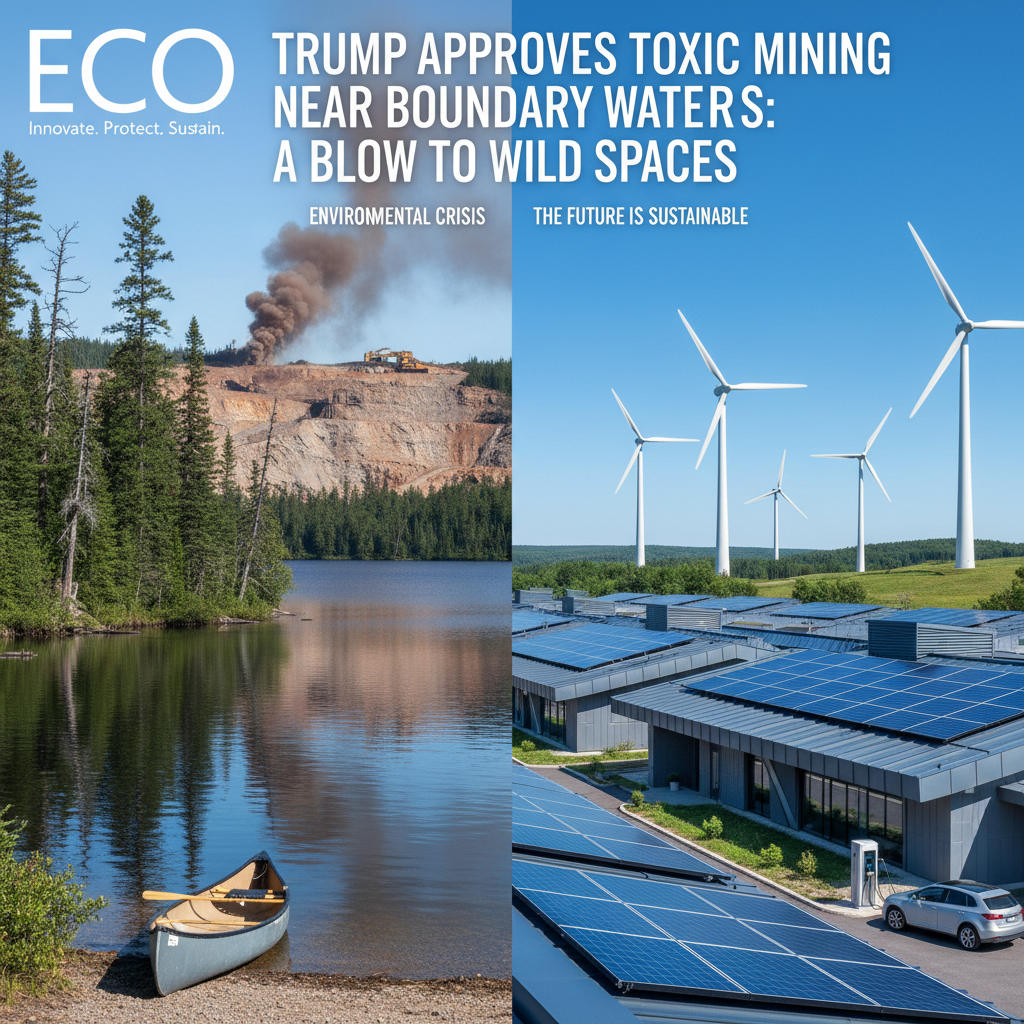
In a significant policy reversal, Donald Trump signed a Congressional Review Act Resolution, effectively overturning a two-decade-long ban on mining in the watershed of the Superior National Forest. This controversial proposal now permits toxic sulfide mining in an area directly adjacent to the Boundary Waters Canoe Area Wilderness (BWCAW), one of America's most treasured and frequently visited wild spaces.
The original ban was put in place to protect the BWCAW from the inherent risks of sulfide mining, a process that extracts valuable metals from ore but often results in the release of acid mine drainage and heavy metals into surrounding waterways. The Superior National Forest watershed is intimately connected to the Boundary Waters, meaning any pollution in this area would directly threaten the pristine lakes and rivers that define the wilderness.
The use of a Congressional Review Act Resolution allowed for a swift undoing of the previous protective measures, bypassing typical legislative processes and stakeholder consultations that usually accompany such significant environmental policy shifts. This move has ignited strong opposition from environmental groups, conservationists, and outdoor enthusiasts who fear the irreversible damage such mining could inflict on the delicate ecosystem of the Boundary Waters.
Why It Matters
For GreenNest Living readers, this isn't just a political headline; it's a profound challenge to the very principles of sustainable living and environmental stewardship. The approval of toxic mining so close to a pristine wilderness area starkly illustrates the enduring tension between resource extraction and ecological preservation. While green technologies are advancing rapidly to create a more sustainable future, decisions like this remind us that the fight to protect our natural heritage is far from over. Such actions directly undermine the health of ecosystems, upon which all sustainable practices ultimately depend.
Sulfide mining, by its very nature, carries substantial risks of long-term environmental degradation. The potential for acid mine drainage to leach heavy metals into the interconnected waterways of the Boundary Waters could irrevocably harm aquatic life, contaminate drinking water sources, and destroy the fragile biodiversity that makes this wilderness so special. This isn't just about a single mine; it sets a dangerous precedent, signaling that economic interests can, under certain administrations, override decades of environmental protection and public outcry, directly impacting the quality of life for both humans and wildlife.
Furthermore, this decision highlights a critical aspect of Green Tech: it's not just about creating new solutions, but also about safeguarding the environments that need protecting. When existing, effective environmental protections are dismantled, it places an even greater burden on future innovations to mitigate damage that could have been prevented. For those committed to sustainable living, this news underscores the urgent need for continued advocacy, informed voting, and support for policies that prioritize long-term ecological health over short-term economic gains. Protecting wild spaces is fundamental to building a truly green and sustainable future.
What You Can Do
- Contact Your Representatives: Reach out to your local, state, and federal elected officials to express your concern about this decision and advocate for stronger environmental protections.
- Support Conservation Groups: Donate to or volunteer with organizations dedicated to protecting the Boundary Waters and other wilderness areas, such as the Boundary Waters Canoe Area Wilderness Foundation or the National Parks Conservation Association.
- Educate Others: Share information about the Boundary Waters and the risks of sulfide mining with your friends, family, and social networks to raise awareness.
- Practice Responsible Recreation: If you visit wilderness areas, commit to Leave No Trace principles to minimize your impact and show appreciation for these fragile ecosystems.
- Advocate for Sustainable Policies: Support political candidates and policies that prioritize environmental protection, renewable energy, and responsible resource management.
- Demand Corporate Accountability: Research companies involved in mining and other extractive industries and support those with strong environmental records, or challenge those that don't.
FAQs
Q: What is sulfide mining?
A: Sulfide mining involves extracting valuable metals like copper, nickel, and gold from sulfide ores. When these ores are exposed to air and water, they can create sulfuric acid, which then leaches heavy metals into surrounding ecosystems, leading to toxic acid mine drainage.
Q: Where is the Boundary Waters Canoe Area Wilderness?
A: The Boundary Waters Canoe Area Wilderness (BWCAW) is a vast, pristine wilderness area located in northern Minnesota, along the U.S.-Canada border. It's renowned for its interconnected network of lakes and rivers, making it a popular destination for canoeing, fishing, and camping.
Q: What is a Congressional Review Act Resolution?
A: The Congressional Review Act (CRA) is a law that allows Congress to review and potentially overturn federal regulations issued by government agencies. It provides a mechanism for Congress to disapprove of new regulations within a specific timeframe, requiring only a simple majority vote in both chambers and the President's signature.
Sources
This article is based on reporting by CleanTechnica.
Original source
CleanTechnica
Author, Digital Entrepreneur & AI Creator
More from Green Tech
- UK Electric Buses Transform into Grid Powerhouses with V2G — May 13, 2026
- Ocean-Powered AI: Panthalassa's Bold Vision for Sustainable Compute — May 12, 2026
- Winnipeg Powers Up: 250 EV Chargers Accelerate Sustainable Living — May 11, 2026
- Philippines' Wind Power Dream Hinges on Port Infrastructure — May 10, 2026
- Aviation's Carbon Blind Spot: Ryanair's Soaring Emissions Exposed — May 9, 2026