US Unlocks Major Green Energy Future With 1.2 GW Pumped Hydro
Key Takeaways
- A major US developer has been approved for the Goldendale Energy Storage Project.
- This initiative will add 1.2 gigawatts (GW) of pumped hydropower storage capacity.
- The project is strategically located on a brownfield site in Washington State.
- It represents a significant advancement for integrating renewable energy into the national grid.
The future of clean energy just got a major boost in the United States. A groundbreaking 1.2 gigawatt pumped hydropower storage project, located on a former industrial site in Washington State, has officially received the green light, promising to significantly stabilize and expand the nation's renewable energy grid. This development is not just about power generation; it's a critical leap forward in how we store and deliver clean energy reliably, paving the way for a truly sustainable future.
TL;DR: Key Facts
- A major US developer has been approved for the Goldendale Energy Storage Project.
- This initiative will add 1.2 gigawatts (GW) of pumped hydropower storage capacity.
- The project is strategically located on a brownfield site in Washington State.
- It represents a significant advancement for integrating renewable energy into the national grid.
What Happened
Rye Development, a prominent US developer, has received the crucial green light for its ambitious Goldendale Energy Storage Project. This monumental approval brings the nation one step closer to integrating a staggering 1.2 gigawatts of pumped hydropower storage into its burgeoning renewable energy portfolio. The project's location in Goldendale, Washington, is particularly noteworthy as it plans to revitalize a brownfield site – previously an industrial or commercial area with potential contaminants – transforming it into a cornerstone of sustainable infrastructure.
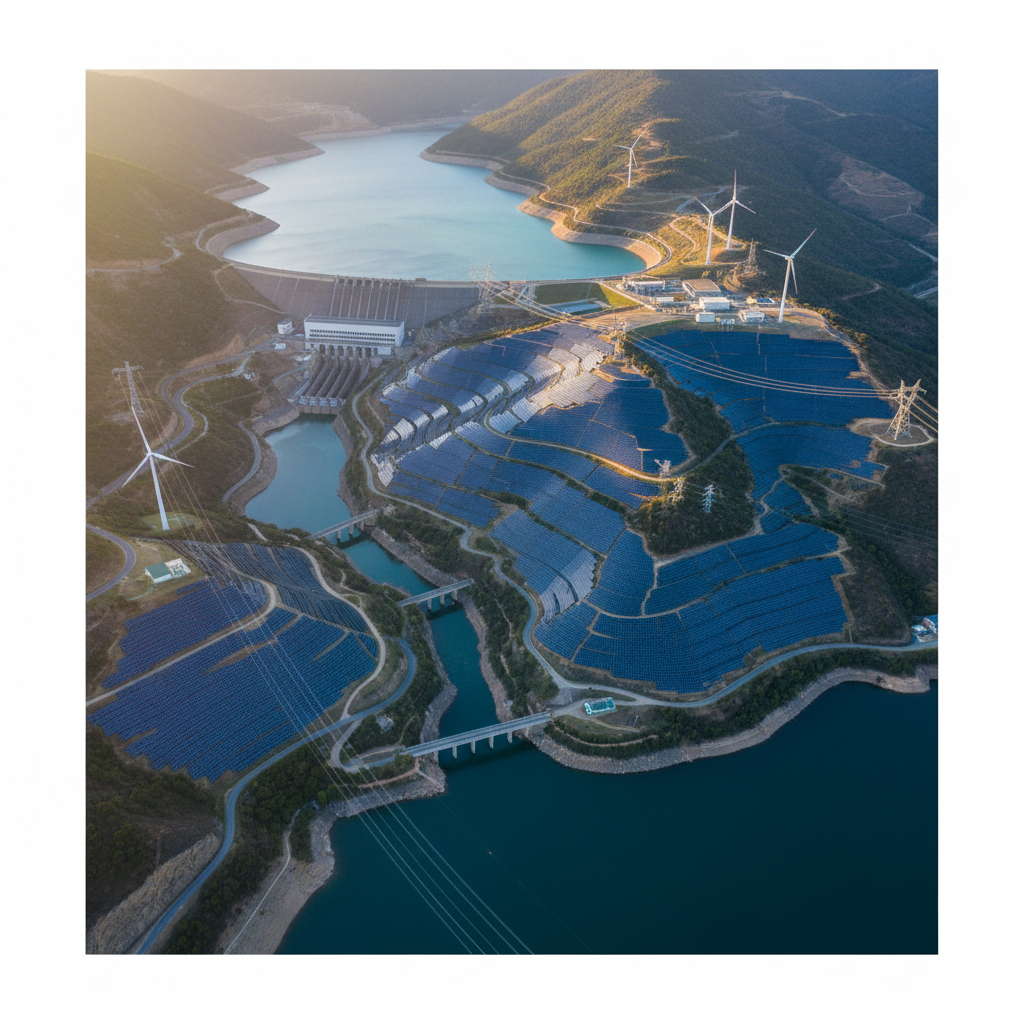
Pumped hydropower is a proven and highly effective form of energy storage, essentially acting as a giant battery for the grid. It works by using excess renewable electricity (like from solar or wind when generation is high) to pump water from a lower reservoir to an upper one. When electricity demand peaks or renewable generation dips, the water is released back down, spinning turbines to generate power. This Goldendale project, with its massive scale, is poised to offer an unprecedented level of grid stability and reliability, crucial for maximizing the output of intermittent renewable sources across the region and beyond.
Why It Matters
For readers of GreenNest Living, this project is more than just another power plant; it’s a beacon for the future of Green Tech and sustainable living. The biggest hurdle for widespread renewable energy adoption has always been intermittency – the sun doesn’t always shine, and the wind doesn’t always blow. This is where large-scale energy storage solutions like Goldendale’s pumped hydro become indispensable. They allow us to capture clean energy when it’s abundant and release it precisely when it’s needed, ensuring a consistent, reliable power supply that can finally compete with and ultimately replace fossil fuels.
The sheer scale of 1.2 gigawatts is transformative. To put that in perspective, a single gigawatt can power hundreds of thousands of homes. This project will significantly enhance grid stability, reduce reliance on carbon-intensive peaker plants, and pave the way for even more solar and wind installations across the Western US. Moreover, the decision to develop on a brownfield site embodies the principles of circular economy and responsible land use. Instead of encroaching on pristine natural landscapes, this project reclaims and repurposes industrial land, minimizing environmental impact and demonstrating a forward-thinking approach to infrastructure development.
This development underscores the evolving sophistication of Green Tech. While the core technology of pumped hydro has been around for decades, its application on this scale, combined with modern grid management, highlights a renewed commitment to comprehensive renewable integration. It proves that the vision of a 100% renewable energy future isn't just aspirational; it's becoming a tangible reality through strategic investments in essential enabling technologies. This project is a crucial piece of the puzzle, reinforcing the resilience and economic viability of a green energy grid, making it a cornerstone of sustainable living.
What You Can Do
As readers passionate about sustainable living, your actions can amplify the impact of projects like Goldendale. Here's how you can contribute:
- Support Renewable Energy Policies: Advocate for local, state, and federal policies that prioritize renewable energy development, grid modernization, and large-scale energy storage projects. This includes everything from tax incentives to streamlined permitting processes.
- Investigate Brownfield Redevelopment: Learn about brownfield sites in your community. Supporting initiatives that repurpose these lands for green projects, whether energy infrastructure, parks, or sustainable housing, can transform local environments.
- Optimize Your Home Energy Use: Consider adding solar panels and battery storage to your home. While on a smaller scale, home energy solutions collectively reduce strain on the grid and increase your personal energy independence.
- Educate Others: Share the significance of energy storage solutions with friends, family, and your community. Understanding the 'why' behind these massive infrastructure projects is key to public support.
- Engage with Sustainable Businesses: Support companies and utilities that are actively investing in and implementing green technologies and renewable energy solutions. Your consumer choices have power.
FAQs
Q: What exactly is pumped hydro energy storage?
A: Pumped hydro storage is a method of storing energy by moving water between two reservoirs at different elevations. When energy is abundant (e.g., from solar or wind), water is pumped uphill to an upper reservoir. When energy is needed, water is released from the upper reservoir, flows downhill through turbines, and generates electricity.
Q: Why is building this project on a "brownfield" site significant?
A: A brownfield site is a former industrial or commercial property that may have contamination but can be redeveloped. Utilizing a brownfield for a large-scale project like Goldendale means repurposing already disturbed land instead of developing on pristine natural areas, minimizing environmental impact and contributing to urban revitalization.
Q: How does pumped hydro help integrate renewable energy sources like solar and wind?
A: Solar and wind power are intermittent, meaning their output fluctuates. Pumped hydro acts as a giant battery, storing excess electricity generated during periods of high renewable production and releasing it when solar and wind output is low or demand is high, thereby ensuring a continuous and stable power supply to the grid.
Sources
This article is based on reporting by CleanTechnica.
Original source
CleanTechnica
Author, Digital Entrepreneur & AI Creator
More from Green Tech
- UK Electric Buses Transform into Grid Powerhouses with V2G — May 13, 2026
- Ocean-Powered AI: Panthalassa's Bold Vision for Sustainable Compute — May 12, 2026
- Winnipeg Powers Up: 250 EV Chargers Accelerate Sustainable Living — May 11, 2026
- Philippines' Wind Power Dream Hinges on Port Infrastructure — May 10, 2026
- Aviation's Carbon Blind Spot: Ryanair's Soaring Emissions Exposed — May 9, 2026