US Wind & Solar Hit Record 17% Power Generation in 2025
Key Takeaways
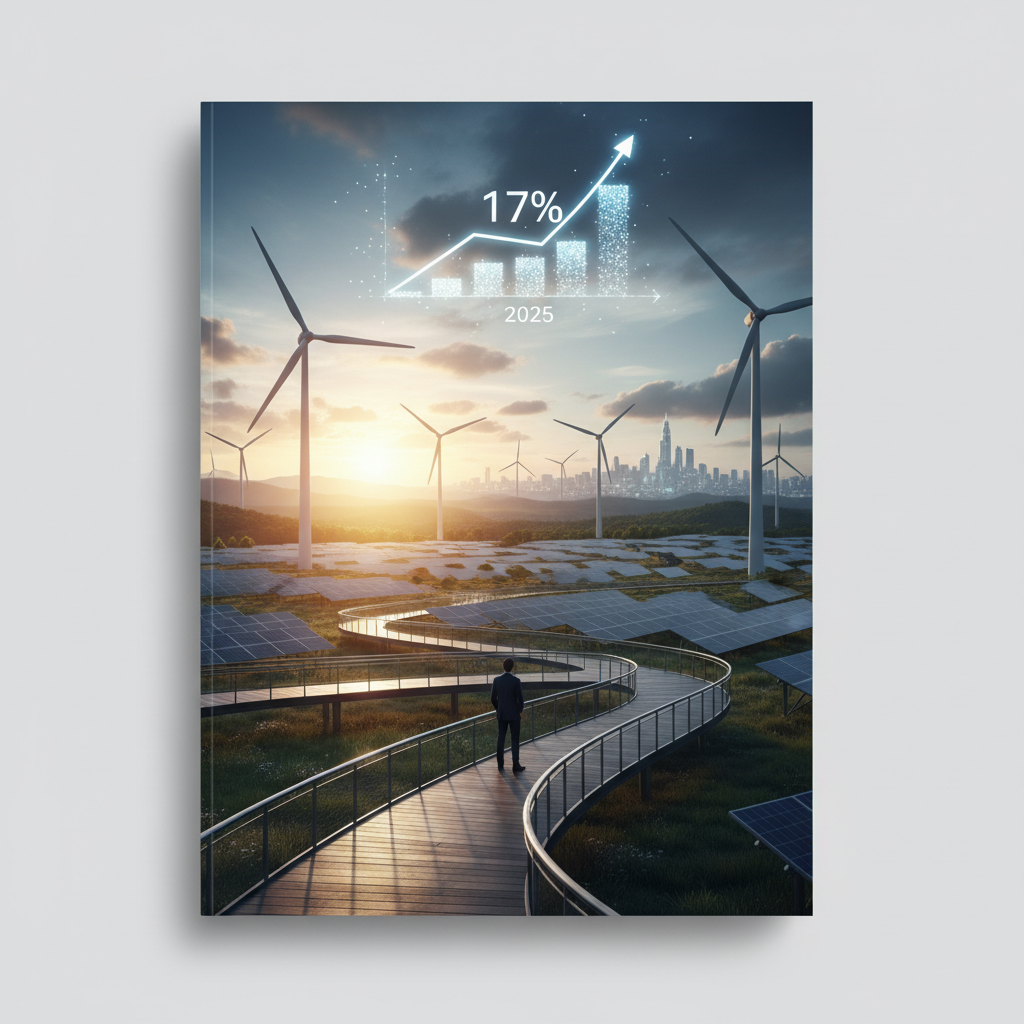
- Wind and utility-scale solar generated a record 17% of U.S. electricity in 2025.
- This represents a significant increase from less than 1% in 2005.
- Total net generation from wind and solar combined reached 760,000 gigawatt-hours (GWh) in 2025.
- This output was 88,000 GWh more than the previous year, highlighting continuous expansion.
The latest figures from the U.S. energy sector reveal a truly remarkable shift, signaling a new era for sustainable living. For the first time, wind and solar power have collectively supplied a record 17% of all electricity across the United States in 2025, a staggering leap that underscores the accelerating transition away from fossil fuels. This milestone isn't just a number; it's a testament to the power of green technology and a clear indicator of our collective progress towards a cleaner, more resilient energy future.
TL;DR: Key Facts
- Wind and utility-scale solar generated a record 17% of U.S. electricity in 2025.
- This represents a significant increase from less than 1% in 2005, showing rapid growth over two decades.
- Total net generation from wind and solar combined reached 760,000 gigawatt-hours (GWh) in 2025.
- This output was 88,000 GWh more than the previous year, highlighting continuous expansion.
What Happened
According to recent reporting, the United States has achieved a significant renewable energy milestone: wind and utility-scale solar power together accounted for a record 17% of the nation's total electricity generation in 2025. This achievement marks a dramatic transformation over the past two decades, considering that these combined sources supplied less than 1% of U.S. electricity back in 2005.
The data reveals that in 2025, the net generation from wind and solar reached an impressive 760,000 gigawatt-hours (GWh). This substantial figure represents an increase of 88,000 GWh compared to the previous year, demonstrating a robust and accelerating deployment of these green technologies across the country. This consistent growth underscores the increasing reliability and economic viability of wind and solar as foundational components of the U.S. energy grid.
Why It Matters
This record-breaking 17% contribution from wind and solar isn't merely an impressive statistic; it's a powerful affirmation of the maturity and potential of green technology, directly impacting the path to sustainable living. For GreenNest Living readers, this signifies tangible progress in the fight against climate change and a clearer path towards a truly sustainable future. Every percentage point gained by renewables means fewer greenhouse gas emissions released into our atmosphere, cleaner air for our communities, and a significant reduction in our reliance on finite fossil fuels, directly improving public health and environmental quality. This shift also bolsters national energy security, insulating us from the geopolitical volatility that often impacts global oil and gas markets and ensures a more stable energy supply.
Furthermore, this milestone unequivocally proves that widespread adoption of renewable energy is not just an aspiration but a rapidly achievable reality. It showcases the incredible innovation and strategic investment in Green Tech over the past two decades, from the development of more efficient turbine designs and advanced solar panel materials to sophisticated grid integration technologies and energy storage solutions. This explosive growth isn't just an environmental victory; it also fuels a burgeoning green economy. It creates hundreds of thousands of high-quality jobs in manufacturing, installation, maintenance, and research across various sectors, offering new opportunities for economic development in both rural and urban areas. Moreover, by harnessing inexhaustible natural resources like wind and sun, it drives down electricity costs in the long term, offering greater energy affordability for everyone.
This development should inspire optimism and reinforce the call for continued action. It demonstrates that strategic policy support, relentless technological advancements, and growing public demand can indeed drive monumental shifts in our energy infrastructure. The success of wind and solar serves as a robust blueprint for how other sustainable technologies can be scaled, reinforcing the message that collective efforts can lead to transformative environmental outcomes and empower communities with cleaner, more affordable, and resilient energy options. It underscores that our choices, both as consumers and advocates, directly contribute to shaping this brighter future.
What You Can Do
- Advocate for Renewable Policies: Contact your local, state, and federal representatives. Express your support for policies that incentivize renewable energy development, grid modernization, and energy storage solutions.
- Switch to Green Energy Providers: If available in your area, switch your electricity provider to one that offers 100% renewable energy plans. Many utilities now offer options to source your power from wind, solar, or hydro.
- Invest in Home Solar: Explore the possibility of installing solar panels on your home. Federal tax credits, state incentives, and local programs can significantly reduce the upfront cost, making it a sound financial and environmental decision.
- Improve Home Energy Efficiency: Reduce your overall energy consumption. Simple steps like upgrading to LED lighting, insulating your home, using smart thermostats, and choosing energy-efficient appliances can dramatically lower your demand, easing the burden on the grid.
- Support Green Businesses: Choose to patronize companies that prioritize sustainability, utilize renewable energy in their operations, or directly contribute to the green economy. Your consumer choices have power.
- Educate and Share: Share positive news about renewable energy progress with your friends, family, and social networks. Counter misinformation and help build broader public understanding and support for Green Tech solutions.
FAQs
Q: Is 17% of U.S. electricity from wind and solar enough to make a difference?
A: While 17% is a significant milestone and a testament to rapid progress, it's a crucial step rather than the ultimate goal. The U.S. and many other nations have targets for much higher percentages of renewable energy to achieve ambitious climate goals. This achievement demonstrates that reaching those higher targets is increasingly feasible.
Q: What are the biggest challenges to increasing wind and solar generation even further?
A: Key challenges include modernizing and expanding the electricity grid to efficiently transmit renewable power from remote generation sites to consumption centers, developing large-scale energy storage solutions (like advanced batteries) to manage the intermittency of wind and solar, and addressing land use considerations for large-scale projects.
Q: How does the U.S. compare to other countries in renewable energy adoption?
A: The U.S. is making substantial progress, and 17% from wind and solar is a strong showing for a large, industrialized nation. However, some smaller European countries already achieve much higher percentages, with some even surpassing 50% or more from renewables. The global trend is clearly towards increased renewable adoption, and the U.S. is a major player in this transition.
Sources
This article is based on reporting by CleanTechnica.
Original source
CleanTechnica
Author, Digital Entrepreneur & AI Creator
More from Green Tech
- UK Electric Buses Transform into Grid Powerhouses with V2G — May 13, 2026
- Ocean-Powered AI: Panthalassa's Bold Vision for Sustainable Compute — May 12, 2026
- Winnipeg Powers Up: 250 EV Chargers Accelerate Sustainable Living — May 11, 2026
- Philippines' Wind Power Dream Hinges on Port Infrastructure — May 10, 2026
- Aviation's Carbon Blind Spot: Ryanair's Soaring Emissions Exposed — May 9, 2026