Thai Rivers in Crisis: Communities Demand Action on Heavy Metal Pollution
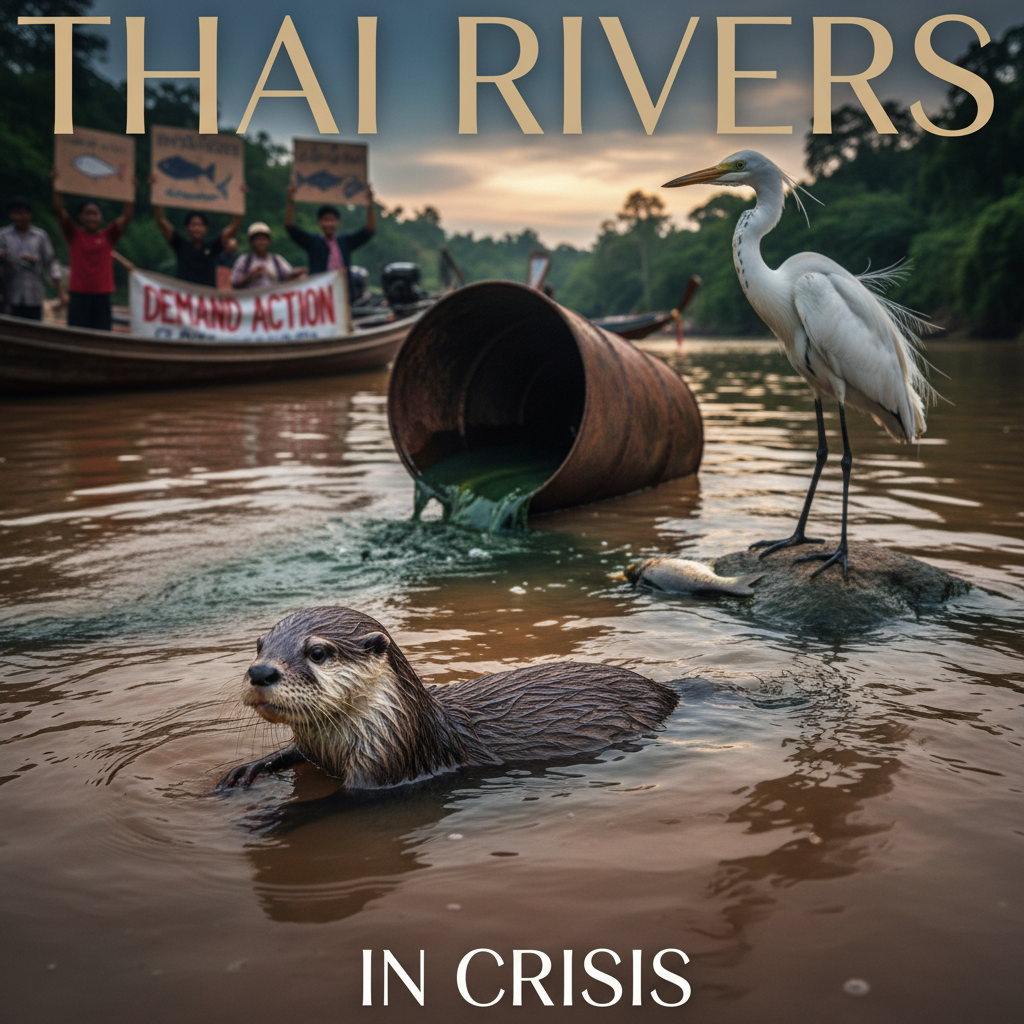
Key Takeaways
- Over 600 residents walked 68km to protest severe heavy metal pollution in Northern Thai rivers.
- The protestors demand an emergency declaration and immediate government action to clean up the contaminated waterways.
- Heavy metals pose significant health risks to both human populations and diverse aquatic ecosystems.
- The march exemplifies the power of community-led environmental activism in demanding corporate and governmental accountability.
- This crisis underscores the global challenge of protecting vital freshwater sources from industrial degradation.
In a powerful display of community resolve, residents of Northern Thailand are undertaking a multi-day 'peace walk' to draw urgent attention to their severely polluted rivers. This isn't merely a local grievance; it's a stark reminder of the global challenges we face in protecting our vital freshwater ecosystems from industrial contamination and ensuring environmental justice for affected communities.
Their action underscores a growing global trend where citizens are rising to demand accountability and action from their governments on environmental issues that directly impact their health and livelihoods, making this story resonate far beyond Thailand's borders.
TL;DR: Key Facts
- Over 600 residents from Chiang Mai and Chiang Rai provinces embarked on a 68-kilometer, six-day ‘peace walk’ on May 31.
- The protest aims to compel the Thai government to address severe heavy metal pollution in Northern Thai rivers.
- Participants are demanding that the government declare the river pollution a national emergency and take immediate, decisive action.
- The pollution crisis is causing significant health concerns among local populations and degrading essential river ecosystems.
- The march serves as a potent example of community-led environmental advocacy pushing for corporate and governmental accountability.
What Happened
On May 31, over 600 determined residents from Thailand’s northern Chiang Mai and Chiang Rai provinces commenced a six-day, 68-kilometer 'peace walk.' Their destination: to bring a unified demand for action to the doorstep of the Thai government regarding the pervasive and dangerous heavy metal pollution plaguing their rivers. This collective journey, spanning a significant distance, highlights the depth of their concern and the urgency of the environmental crisis they face.
The affected communities have reported severe contamination of their waterways with heavy metals, a threat that poses significant risks to both human health and the ecological balance of the river systems. The protestors are not simply asking for attention; they are calling for the Thai government to officially declare the river pollution situation an emergency. This declaration would unlock more resources and prioritize immediate, comprehensive action to remediate the contaminated rivers and prevent further damage.
Organized by an ensemble of affected residents and local environmental groups, the march represents a grassroots movement unwilling to accept the status quo. Their action symbolizes the growing frustration among communities worldwide who are often left to bear the brunt of industrial pollution, compelling them to take direct action when official responses are deemed insufficient or too slow.
Why It Matters
This community-led march in Northern Thailand is far more than a local protest; it's a crucial spotlight on the silent crisis of river pollution and its profound implications for wildlife and nature. Rivers are the lifeblood of terrestrial ecosystems, providing essential habitats, supporting biodiversity, and acting as critical freshwater sources. When these arteries are choked with heavy metals, the damage cascades through the entire natural world.
Heavy metals such as lead, mercury, cadmium, and arsenic are toxic pollutants that do not biodegrade. They accumulate in the sediments and water, are absorbed by aquatic plants, and enter the food web. This bioaccumulation leads to severe health issues in fish, amphibians, insects, and birds, disrupting breeding patterns, causing deformities, and ultimately leading to population declines. For instance, fish exposed to heavy metals can suffer reproductive failure and immune system suppression, impacting entire aquatic food chains. This directly threatens the rich biodiversity often found in riverine environments, from rare fish species to migratory birds that depend on these ecosystems.
Beyond the immediate ecological harm, this event underscores the vital connection between environmental degradation and human rights. For the communities marching, these rivers are not just natural features; they are sources of drinking water, irrigation for agriculture, and cultural heritage. Their health and livelihoods are inextricably linked to the health of the rivers. The march highlights the importance of environmental justice, where communities, particularly those who are often marginalized, demand their right to a clean and healthy environment, reminding us that protecting nature is fundamentally about protecting people.
What You Can Do
- Educate Yourself on Local Water Quality: Investigate the sources of your local drinking water and the health of nearby rivers and lakes. Many local environmental agencies or non-profits publish annual water quality reports.
- Support Environmental Advocacy Groups: Contribute to or volunteer with organizations working to protect freshwater ecosystems, advocating for stronger regulations and corporate accountability.
- Reduce Your Own Pollution Footprint: Be mindful of what goes down your drains and into storm sewers. Dispose of household chemicals, pharmaceuticals, and electronics responsibly, not in regular trash or by flushing.
- Advocate for Stronger Policies: Contact your elected officials to express your concern about industrial pollution and support policies that promote sustainable manufacturing, waste management, and environmental protection.
- Choose Responsibly Sourced Products: Support companies that demonstrate strong environmental ethics, transparent supply chains, and commitment to minimizing their ecological impact, particularly regarding water use and pollution.
- Participate in Local Clean-up Efforts: Join or organize community clean-ups of local rivers, streams, and shorelines to directly contribute to their health and raise awareness.
Ciro's Take
The image of hundreds of determined individuals walking 68 kilometers for the simple right to clean water is profoundly moving and, frankly, infuriating. It’s a testament to the indomitable spirit of communities when faced with environmental injustice, but also a stark indictment of systems that allow such extensive heavy metal pollution to occur in the first place. For me, this isn't just news; it's a personal call to action that screams about the fundamental right to a healthy environment. We often talk about grand conservation schemes, but the fight for clean water in a local river, driven by the very people who depend on it, is where the true battle for our planet's future is being waged. It reminds us that real environmental progress is built from the ground up, fueled by unwavering community resolve against corporate negligence and governmental inertia.
FAQs
Q: What are heavy metals and why are they dangerous in rivers?
A: Heavy metals like lead, mercury, and cadmium are naturally occurring elements that become highly toxic when present in high concentrations in the environment, often due to industrial activities. In rivers, they don't biodegrade, accumulating in sediments and aquatic life, causing severe health problems, reproductive issues, and even death in wildlife and humans who consume contaminated water or food.
Q: Why are rivers so important for wildlife and nature?
A: Rivers are critical freshwater sources and incredibly biodiverse ecosystems. They provide habitats for numerous fish, insect, amphibian, and bird species, act as migration corridors, and support riparian zones that filter pollutants and prevent erosion. The health of rivers directly impacts the health of terrestrial and marine environments downstream, making them foundational to global biodiversity.
Q: How can community action effectively address environmental crises like river pollution?
A: Community action is vital because it brings direct human impact and local knowledge to the forefront. Marches, protests, and sustained advocacy can generate public awareness, pressure governments to enforce regulations, and hold corporations accountable. These efforts often lead to policy changes, increased funding for remediation, and the empowerment of affected populations to demand their rights for a healthier environment.
Sources
This article is based on reporting by Mongabay.
Original source
Mongabay
Author, Digital Entrepreneur & AI Creator
More from Wildlife & Nature News
- Shell's Covert Spills: Nigeria's Mangroves Pay the Price — June 7, 2026
- Jupiter's Dazzling Chaos: A Cosmic Call for Earth Stewardship — June 6, 2026
- Meat Consumption Soars: A Call for Sustainable Diets — June 5, 2026
- Urgent Climate Watch: Satellite Uncovers El Niño Precursor — June 4, 2026